Archive for 2025

Derby Day Commentaries – Bahram & Nijinsky

Posted on:

The 1935 Derby Day Commentary

1st BAHRAM Freddie Fox 5-4 Fav

2nd ROBIN GOODFELLOW Tommy Weston 50-1 2 lengths

3rd FIELD TRIAL Bobby Dick 9-1 ½ length

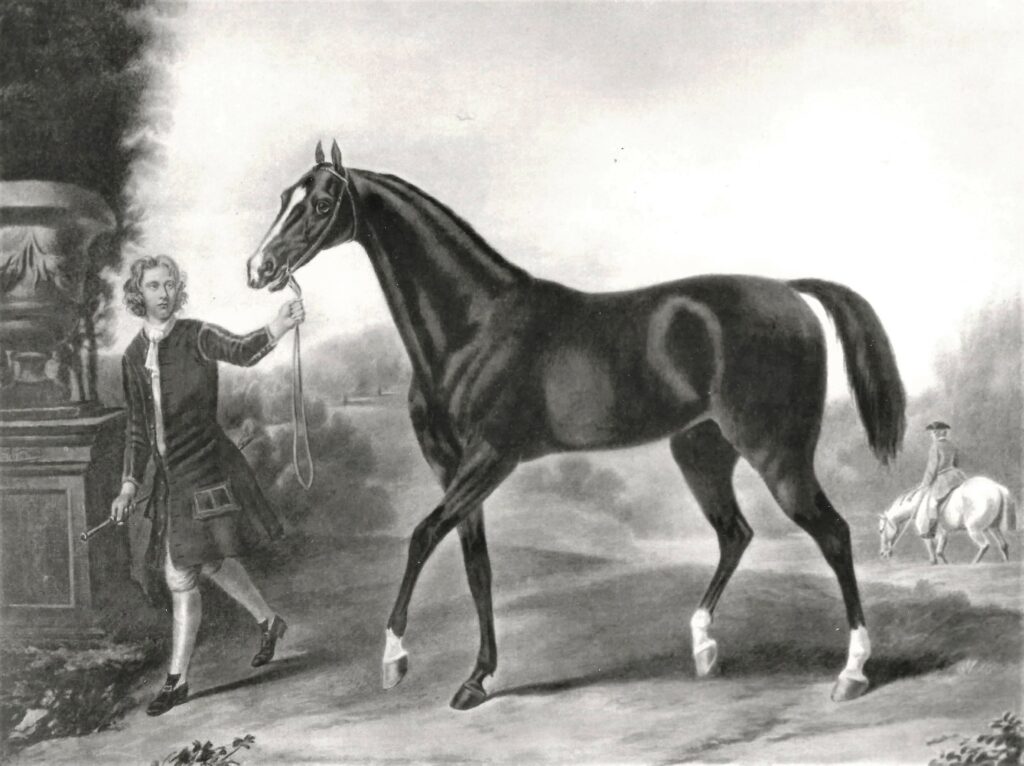
Bahram walking through Epsom

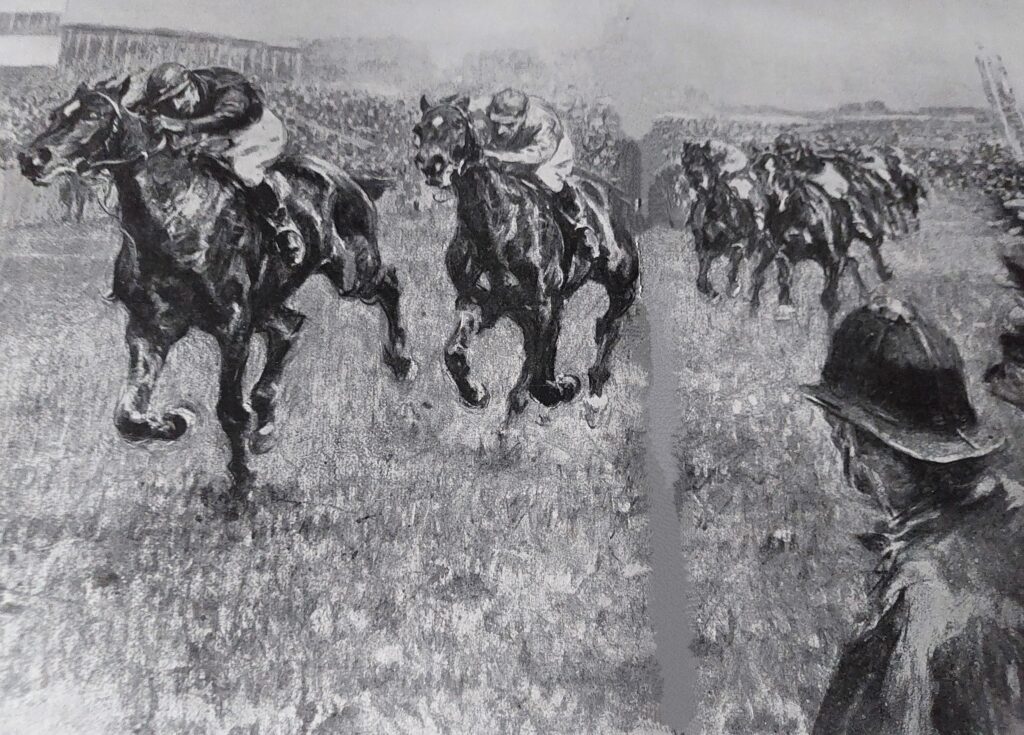
Commentary: After heavy rain in the morning, the sun came out to restore the going to good. Sixteen runners went to post and Bahram, having won the Two Thousand Guineas from Theft and Sea Bequest, started 5-4 favourite. The Aga Khan also ran Theft and Hairan (second in the Newmarket Stakes), but it was to be Bahram’s day.

From the top of the hill to Tattenham Corner, Field Trial had the call. Theft, ridden by Harry Wragg, was well placed on the rails, just behind the leaders, while Freddie Fox on Bahram was trapped in a pocket behind him. Running down to the corner, Fox shouted out to Wragg to let him through. Wragg, on the Aga’s second string, pulled over and Bahram shot through the gap in pursuit of Field Trial. At the two-furlong marker, Fox had Bahram poised just behind Field Trial and at the distance, he sent him on to gain a comfortable two-length victory from the running-on Robin Goodfellow.

After the race Wragg was cautioned by the stewards regarding his riding of Theft, and warned that any repetition would be severely dealt with.

Bahram went on to win the St James’s Palace Stakes, then finally the St Leger, to complete the Triple Crown.

At stud he sired Turkhan (1940 St Leger) and Big Game (1942 Two Thousand Guineas). Bahram was exported firstly to America, then to Argentina where he died in January 1956.

16 ran • Time: 2 min. 36.00 sec. BRED & OWNED by H.H. Aga Khan III. TRAINED by Frank Butters at Newmarket.


 ______________________________________________________________


The 1970 Derby Day Commentary

 1st NIJINSKY Lester Piggott 11-8 Fav

2nd GYR Bill Williamson 100-30 2½ lengths

3rd STINTINO Gerard Thiboeuf 7-1 3 lengths

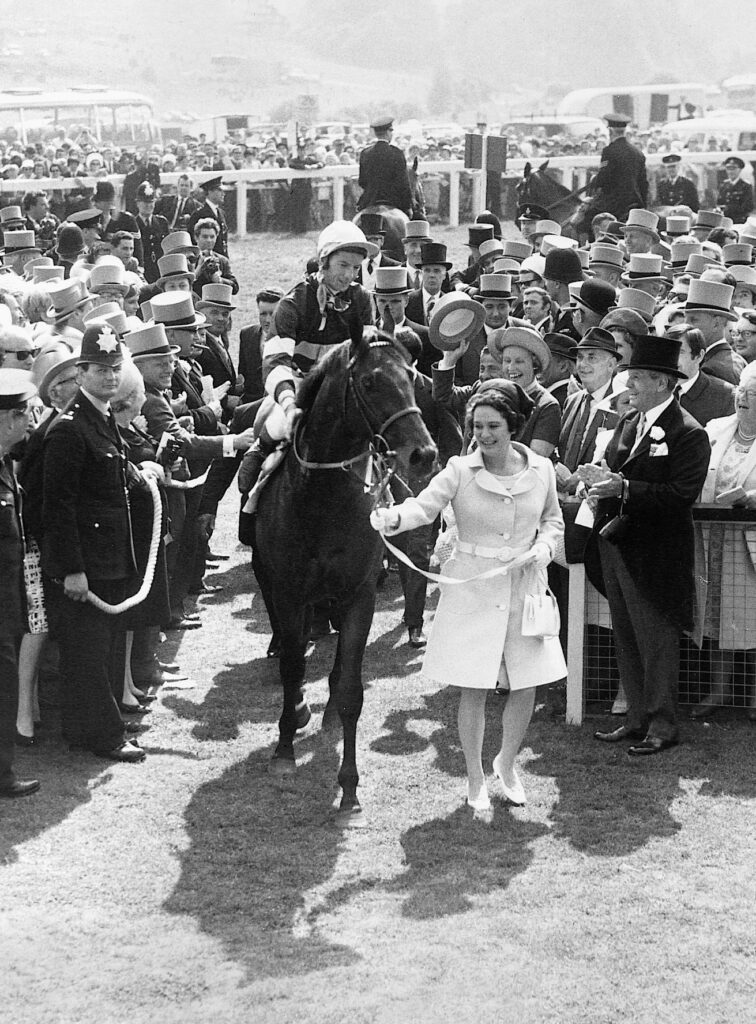
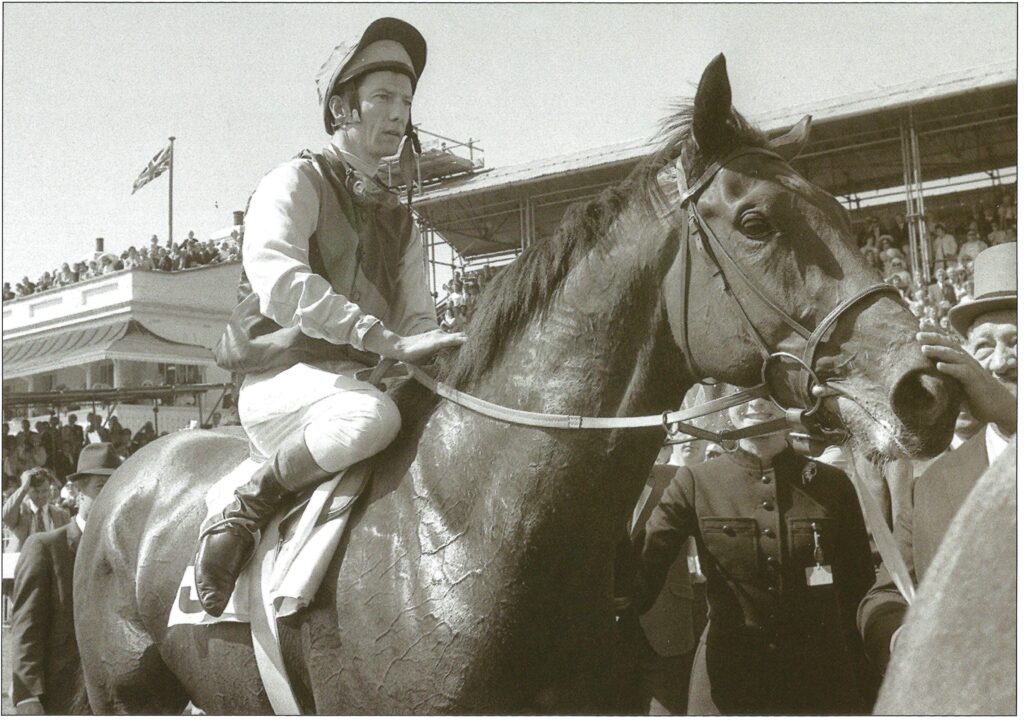
Nijinsky and Lester Piggott return after winning the Derby

Commentary: In the early stages Long Till, Cry Baby and Mon Plaisir set a strong pace down to Tattenham Corner. From there, Meadowville and Long Till led Gyr and Great Wall, with Nijinsky going easily behind the leaders. At the two-pole, Gyr forged ahead, pressed by Great Wall, Stintino and Nijinsky. Piggott, waiting until a furlong out, drove Nijinsky through a gap between the leaders and coming smoothly away won by two and a half lengths from Gyr. Stintino finished third, a further three lengths away, with Great Wall fourth.

It was an emphatic victory and one that answered every question. Nijinsky’s time for the race of 2 min 34.68 sec, was the fastest since Mahmoud in 1936.

Nijinsky’s win in the St Leger completed a historic Triple Crown. His glittering career at stud featured three Derby winners – Golden Fleece  (1982), Shahrastani (1986) and Lammtarra (1995) – plus the 1986 Kentucky Derby winner, Ferdinand. Nijinsky died in April 1992 and is buried at Claiborne Farm, Kentucky.

11 ran • Time: 2 min. 34.68 sec.

BRED by Mr Edward P. Taylor in Canada. OWNED by Mr Charles Engelhard. TRAINED by Vincent O’Brien at Cashel, Co. Tipperary. .


     For more racing history see Michael’s Books for Sale. 

    To see Michael’s interviews go to the foot of About Michael

Derby Day Commentaries – Grand Parade & Sir Ivor

Posted on:

The 1919 Derby Day Commentary

1st GRAND PARADE Fred Templeman 33-1

2nd BUCHAN Jack Brennan 7-1 ½ length

3rd PAPER MONEY Steve Donoghue 7-1 2 lengths


Commentary: The Great War (1914-1918) now over, the Derby returned to Epsom and an enormous crowd gathered for the race in the presence of King George V and Queen Mary. Thirteen went to post, with The Panther, winner of the Two Thousand Guineas, all the rage at 6-5 favourite. The second and third in the Guineas, Lord Astor’s Buchan and Lord Glanely’s first string, Dominion, started at 7-1 and 100-9 respectively. Grand Parade, winner of the National Produce Stakes at The Curragh, had little support at 33-1.

The Panther, behaving badly, broke the tapes on his arrival, then refused to line up when they had been mended. Finally, at the ‘off ’’, he threw up his head and lost vital lengths. Paper Money set the pace to the top of the hill from Dominion and Grand Parade, and was still in front at the distance. At this point Grand Parade and then Buchan stormed by, but with Buchan hanging left, Fred Templeman was able to drive Grand Parade on to a half-length victory. Paper Money finished two lengths away third, with Sir Douglas fourth and Tangiers fifth.

Grand Parade went on to win the St James’s Palace Stakes at Ascot, and later at his owners stud sired Diophon, winner of the 1924 Two Thousand Guineas.

13 ran • Time: 2 min. 35.80 sec.

BRED by Mr Richard Croker in Ireland. OWNED by 1st Baron Glanely. TRAINED by Frank Barling at Newmarket.


_____________________________________________________________________


The 1968 Derby Day Commentary

 1st SIR IVOR Lester Piggott 4-5 Fav

2nd CONNAUGHT Sandy Barclay 100-9 1½ lengths

3rd MOUNT ATHOS Ron Hutchinson 45-1 2½ lengths


Commentary: On a sunny Derby Day, 13 runners – the smallest field since 1907 – went to post on good ground. Sir Ivor, an easy winner of the Two Thousand Guineas was the well-backed favourite at 4-5, with the first two in the Chester Vase, Remand and Connaught, at 4-1 and 100-9 respectively.

At Tattenham Corner, Benroy led from Connaught, Society and Atopolis. Once in the straight Connaught went clear, with Remand chasing. Then a furlong out, Piggott brought Sir Ivor to challenge on the outside, and the colt’s brilliant acceleration proved decisive, winning easily by one and a half lengths. Connaught, without an answer, was two and a half lengths clear of third-placed Mount Athos.

Owner Raymond Guest had more than one reason to celebrate, for the previous summer he had backed Sir Ivor for the Derby at odds of 100-1 to the tune of £500 each way.

Surprisingly, Sir Ivor failed to win any of his next four races, finishing second in the Irish Sweeps Derby, third in the Eclipse Stakes, second in the Prix Henry Delamarre and second to Vaguely Noble in the Prix de l’Arc de Triomphe. However, he concluded his campaign in style with victories in the Champion Stakes at Newmarket and the Washington D.C. International at Laurel Park.

13 ran • Time: 2 min. 38.73 sec.

BRED by Mrs Alice Headley Bell in U.S.A. OWNED by Mr Raymond Guest. TRAINED by Vincent O’Brien at Cashel, Co. Tipperary


For more racing history see Michael’s Books for Sale. 

To celebrate the 80th Anniversary of VE day 1945

Posted on:

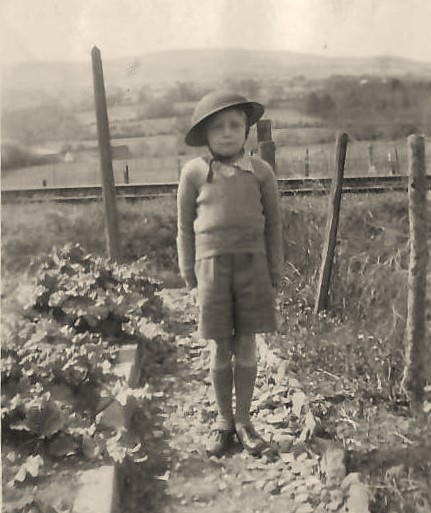
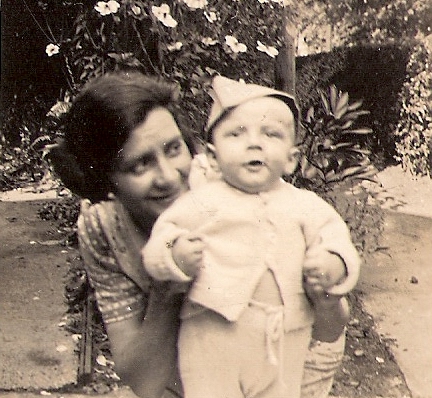
Michael takes a light hearted look back to his wartime memories


Taking Cover

“Come on Michael, we’ve got to get under the table.”

“But Mum, I haven’t finished eating my boiled egg.”

“Never mind, bring it with you.”

The air raid siren wailed out from the top of the Co-op building at the end of the road. And although in the spring of 1940, alarms like this were not frequent in Woking, in the following months they grew to become a regular occurrence.

On more than one occasion my mother would run outside and hold me up to see a stray German plane and a British fighter engaged in what was known as a dogfight. One such dogfight took place high over Woking Railway Station, drawing a large crowd below. A railway porter told my mother, that ours was a Hurricane and theirs a Messerschmitt, and a great cheer went up, when after many minutes of combat the Nazi pilot was seen off.


That summer, late one night, a returning German bomber passed low over our bungalow accompanied by a loud whistling noise and a crunching thud.

I can remember the crushing feeling of my father throwing himself on top of me, followed by a lot of shouting. Eventually, when everyone had calmed down, Dad and Mr Powney, from next door, bravely went out into the back garden with a torch to look for the unexploded bomb.

Strangely, nothing could be found, so Mr Powney, a fireman, quickly cycled off to the Fire station to report the incident. Later, when bells and sirens filled the air, a fire engine appeared on the other side of the canal, directly opposite our back garden, where they found the unexploded bomb had taken the corner off a nearby house

As a result of this close shave, my father, who was expecting his call-up papers any day, decided to move the family to Wales. My Nan, who lived with us, knew of her brother-in-law in Llandrindod Wells, and thinking he would help us and the war would be over by Christmas, we packed a few things into a couple of suitcases and walked to the top of the road to catch the bus.

It seems I was a little difficult, and not content in just taking my teddy bear, insisted on carrying a small metal case filled with tin soldiers. In the 200-yard walk to the bus stop the inevitable happened; the case proved too heavy for me to carry and, my Nan, who had vehemently protested against me bringing it, ended up by carrying it herself. A story she repeatedly told, whenever I got my case out to play soldiers.

After an arduous two-day bus journey, we finally located the Llandrindod Post Office. To our despair, they had no knowledge of Nan’s brother- in-law, neither was he on the electoral role.

Coming out of the Post Office we witnessed an open-top car speeding through the town centre, urging everyone to take cover and sounding a portable air-raid siren.

“Out of the frying pan into the fire,” my Nan exclaimed!


The next day, after a night of discussion, on whether we should return to Woking, we were informed of the reason for the siren’s failure – a strategically built blackbird’s nest. What’s more, it had proved to be a false alarm.

Having now convinced ourselves that Llandrindod was a safe refuge from the German bombs, the portable siren that sounded our arrival, was in hindsight, the only alarm raised during our five-year stay.


Our first lodgings were two rooms close to a railway level crossing, about a mile out of town. Soon after moving in, my Dad’s call-up papers arrived and from his joining the Royal Artillery as a gunner, we were not to see him again for six months.

Meanwhile, my mother got a job in a grocers, I was packed off to school at the early age of four, while Nan was left at home to do the cooking, washing and ironing.

My school, a mile from home, taught pupils between five and 14 years (school leaving age), in a single stream. This meant that pupils advanced solely on ability, resulting in some classes containing children both a year older and, a year younger than the majority.


In my first term as “the four-year-old cockney boy”, I was regarded as a novelty, especially when I sometimes arrived in the milkman’s pony and trap after thumbing a lift to school. At the Christmas school concert, to the pleasure of my Mum and Nan, though embarrassing for me, I was brought centre stage and put between two girls to sing “Away in a Manger.”

The following year, my “quirkiness” reached a peak when I announced to the class that Father Christmas was really your mother or father dressed up. For my punishment, after loud jeering from my classmates, was to be kept behind for ten minutes. However, when all had gone, my teacher told me this was to be our special secret and allowed me to run along home.


Looking back, I seemed to be in and out of trouble regularly. There was the time when I skipped class to take Gwenyth, the headmaster’s daughter, to the local cinema’s matinee performance of Robin Hood. We were both six years old. Then on a parents open day, I proceeded to walk about with a cardboard sign strung around my neck with MURDER written on it in big red letters. Little did I realise that spelt backwards it read RED RUM.

As recompense for these misdeeds, I was given the 23rd Psalm to learn in Welsh and during one scripture lesson was brought to the front of the class to recite it. Surprisingly, to me, half the class were unable to speak Welsh, and so, thereafter, I was referred to as the English martyr.

Living in two rooms had been quite difficult. It was a small house anyway, with a shared kitchen, an outside lavatory and no bathroom. Friday night was our bath night, skilfully managed by my mother in front of an open fire, with a tin bath, kettles of hot water, a big bar of Fairy Soap and a large fire screen for decency.


Months later, when my father eventually got a 72-hour pass, he arranged for us to move into a two-bedroom house about half-a-mile away. But the day of moving was far from joyous. Loading our few belongings onto a hand cart we were followed by the local children chanting, “London cockneys ain’t no good, chop ‘em up for fire wood.”


The new lodgings in Tremont Road gave us more room, although since Mum and Nan occupied the two bedrooms, I slept on a sofa in the front room, enjoying the remains of that day’s coke fire. Additional coke supplies (solid fuel) were obtained from the back of the coke factory, where Mum would fill up the well of an old pram and sit me on top.


The warmth from the embers of the fire late at night may have protected me from the severe bout of influenza, which my mother and Nan were to suffer.

Later on, in one of the worst winters in Wales for many years, I was to push the old pram through the snow to get the family shopping.

Food had been rationed since the beginning of 1940, but not offal, so providing we could afford it I was able to come home with an assortment of liver, kidneys and sheep’s brains, the later a war-time delicacy that I would describe in the playground to squeamish girls. Fish, apart from snook and whale meat was very scarce, but Freddie, a close friend of my Mum’s workmate Emily, would occasionally drop in a fresh salmon that he had poached from the river by torchlight.

Freddie certainly came up trumps the following Christmas, making me a large scale fort with turrets and a drawbridge. Lead soldiers were now very scarce, but I remember my father coming home with a beautiful set of Scots guards, charging with fixed bayonets and, a model of a Spitfire carved in wood by his army pal.  These were high times for me, preceded and followed by what we would now call deprivation.


 A Letter from Dad and a visit from Auntie Mary


Letters from a loved one during the war were rare and unlike the emails of today, were regarded as a cause for celebration, to be treasured and reread many times. Also, incoming telephone calls were virtually non-existent, since very few people had a telephone in their house.

Eventually, my mother learned that Dad had been posted to the Royal Artillery unit on Drakes Island near Plymouth. His letter told us he was in good heart, despite having to man the big guns that followed the searchlights at night, then sleep on the ammunition during the day. Not all his letter was readable though, for the troops mail was read by an Army censor who would run a thick blue pencil through any location or sensitive information.

During the following summer my Auntie Mary and her year-old baby Peter came to stay with us. Mary had wanted to get away from the doodlebugs (V1 rockets) that passed over Woking every night and told us how she had made a nightly home for her and Peter in the large cupboard under the stairs. Her hideaway was furnished with a single mattress and pillows, together with a card table on which she kept a pot of tea, a packet of Craven “A” ciggies, Peter’s bottle and the latest Daphne du Maurier novel.


Her husband, Henry, meanwhile, worked the nightshift at the nearby Vickers munitions factory.

On one occasion, whilst cycling to work across the airfield, a stray German plane flying very low scattered the workers with a burst of machine gun fire.

Strangely, on the two occasions she stayed with us, after the first week she would tell us that it was really too quiet for her and she ought to be getting back to see Henry and hear the local gossip.


Llandrindod and the neighbouring towns were “Strict Chapel,” while Mary, an ex-barmaid was appalled by the closure of public houses and the railway station on Sunday.

“I don’t know how long I can stand it,” she would say pleadingly to my mother. But she did for about a month, until she claimed, she was deafened by the silence.


It was a wonderful surprise when the following summer, Dad was posted to Swansea. And after settling in, he booked us into nearby rooms for a month, having received permission to lodge with his family in the evenings.

Swansea itself was just getting back on its feet after a continuous blitz from German bombers; the town centre and most of the surrounding area having been completely flattened.


This was the first seaside holiday I can remember – bareback horse riding on the beach and the excitement of a local Donkey Derby remain with me to this day. Sadly, the time passed all too quickly and we never saw much of Dad again until he was demobbed over a year later.


Meanwhile, back at school we were encouraged to bring in small tins to receive allocations of dried eggs and cocoa. And as the allied troops got ready for “The Big Push,” so our playground war games became more exuberant.  I kept a map of Italy and Germany on the wall above my bed, marking in the allied attacks and German panzer movements with red and blue crayons.


On the May 8, 1945, my mother’s birthday, people came running out into the street to celebrate our “Victory in Europe” or VE Day as it became known.

A week later, running through an ally at the back of our house with a toy machine gun, a neighbour looking over the wall shouted out, “Put that gun away Michael, the war’s over,”

“Not yet Mrs Llewellyn,” I replied, “We’ve still got to beat the Japs,” and fired an imaginary burst of bullets into a hostile bunker, which in reality was a cold-frame of rhubarb!

Three weeks later, rent paid and goodbyes said we were on our way back to Woking. And Nan having bought me a large cardboard suitcase in which to put my dismantled fort, made sure it was I who carried it.      

Returning to Woking after our war time evacuation was not all we had hoped for. The couple who my father had rented our bungalow to, had not only left owing three months’ rent, but had removed all the internal doors to use as firewood and, kept coal in our bath.  To cap it all, the agents employed to collect the rent had left town with no forwarding address.  Even so, despite all these inconveniences, we all agreed it was great to be back


In celebration of our return, our first family reunion took place on the Sunday before the 1945 Derby. And introduced to five of my Dad’s eight brothers, who seemed to be there solely to discuss the race, my life was irrevocably changed.


James Hillman author of The Souls Code would call this moment an annunciation – “This is what I must do, this is what I have got to have. This is who I am.”

I still retain the vivid memory of that morning, when all the talk was of the forthcoming Derby. My impressions and senses were quickly swamped by their enthusiasm and amid the smells of beer and Woodbines, the magical names of the horses: Dante, Midas and Sun Storm and the famous jockeys: Billy Nevett, Harry Wragg and Gordon Richards, would in time become as familiar to me as my school mates.

Uncle Henry made a valiant effort to discourage me, saying it was all a mugs game and that he had never backed a winner. But it was all quite useless, for I took to racing like a duck to water, as readers of this website can now testify.


************************************************************

To see Michael’s interviews go to the foot of About Michael


Lord Gyllene’s Monday Grand National with Father Green

Posted on:

The 1997 Monday Grand National

Grand National racecard 1997


  Father Green had been reading in the Press that the up-coming 1997 Grand National was to be the 150th running. This year’s race looked wide open and in Perry’s words, “Was not to be missed.”


Although he had previously booked his County Stand Badge, how he would travel to Liverpool and, whether he would stay up there for more than a day, he had yet to decide. Then strangely, on the Monday, he received a call from a long lost friend, Father Tod Abraham.

“This is a surprise, after all this time too. What’s been happening?”

“Well, remember old Tom Tooley from our seminary days? He and I were talking about the Grand National and your name came up. We were remembering how you loved the race and the good times we had at Aintree. So, we thought, why not do it again?”

“It took me a couple of days to track you down on the Catholic radar, but now that I’ve found you, what do you say?”

“Count me in,” said Perry, enthusiastically and straight away agreed to share their Aintree B & B.

“We’ve booked it Wednesday to Wednesday,” said Tod, “so, Thursday to Saturday we’ll be racing and the rest of the time acting like tourists.”

“There is just one thing Perry, I’m told there are only two single beds and, the living room’s quite small, but there’s a large settee which makes up into a bed, if you don’t mind sleeping there?”

A short silence followed, after which, Perry, ever conscious of his six-foot-four-inch frame, answered bravely, “Oh that’s fine, really it is.”

The conversation then drifted to old seminary days and some uncomfortable memories for Perry, as Tod touched on the late night poker school in which Tom Tooley claimed he had lost a tidy sum to Perry, who had bluffed the pot with a pair of three’s.

Perry sighed – “Ah, the stuff of legends,” but then quickly and diplomatically ended the call with, “It’ll be fantastic to see you both again, let’s hope this year we get the winner.”


For the rest of the day, Perry seemed a little reflective. He had really only planned to go to Aintree for a day or two, but somehow, he’d got carried away in the excitement. Emily, however, having overheard part of the conversation and unable to bear his indecision any longer, came up with the following suggestion.

“Father, why don’t you ring Father Abraham and tell him you’ll be travelling up early on the Friday morning – Euston to Lime Street – drop your bag in at their B & B and then go racing?”

Arriving at Aintree racecourse, Perry felt a surge of excitement. It looked like a fair size crowd for the Friday and although the weather was overcast and grey, he was very glad to be there. On meeting up with Tod Abraham and Tom Tooley, he learned that Tod had heroically relinquished his bed to him during his stay and now, he looked forward to two days’ racing.

Father Green His betting, however, could have gone a little better, having backed The Last Fling, second to Cyborgo in the Mildmay, and then Highlandman, second again, to Blue Cheek in the Fox Hunters. Never mind this was like a holiday to Perry and he was determined to enjoy every minute of it.

The following morning, after a hearty breakfast of ham and eggs, he left his fellow priests to take the Racing Post back to his bedroom in anticipation of the afternoon’s sport – this was the time that he loved best.

Arriving on course, the view from the County Stand was exhilarating. High in the stand he was opposite the winning post and, with his binoculars and view of the big screen he hoped to follow the big race throughout.

Perry’s luck, however, was still absent without leave – the first three races returning winning S.P’s of 25-1, 20-1 and 14-1 – so filling the bags of almost every bookmaker to the brim. Only a popular National winner would remove the hurt of some 60,000 spectators on course and a further ten million punters at home.

Then, with the horses coming into the paddock, the Merseyside police received a coded warning that a bomb had been planted at Aintree. Nigel Payne, Aintree’s Press Officer, broke the news, live, to BBC’s anchor-man Des Lynam and immediately after, loudspeaker instructions were broadcast to evacuate the course. In addition, as part of the security operation, racegoers were forbidden to remove their vehicles from the car parks for the remainder of that day.

Meanwhile, the search for the bomb continued.

Jenny Pitman, a previous winning trainer, made a tearful plea to Lynam:

“We have the lunatic element here and we can’t give in to them.”


As the gravity of the situation became known, the Managing Director and Clerk of the Course, Charlie Barnett, confirmed that two coded bomb warnings had been received and with the minimum of decorum, asked Lynam and the BBC to leave Aintree immediately.

At this point, Father Green, and those around him, still hoped that racing would continue later. However, the sight of tens of thousands of people spilling out onto the course and a few hooligans clambering over the fences, caused that hope to disappear, leaving only a painful memory of the day that had promised so much.


Being six-foot-four sometimes has an advantage, for although Father Green was hemmed in against the running rail, he could at least see where the meandering mob was heading.  Similarly, those within shouting distance could

see the tall figure of a priest in a Homburg, trying to move through the crush without forcefully pushing or shoving.

“Father Perry, Father Perry,” a strong Irish brogue cut through the dejected babble and soon, Tod, Tommy and Perry were reunited.


Later that evening, when Tod went out to get a Chinese takeaway for them all, he was delighted to hear from Larry Wong that the National was to be run on Monday at 5 p.m. – the only race on the card.

In the meantime, Perry had nipped out to buy a bottle of Glenmorangie whisky and six cans of Guinness. It was going to be a good night after all.


It was some time after the three men demolished their Chinese supper, and only then, as an afterthought, Tommy enquired, “Does anyone fancy a game of cards?”

“I found an old pack,” Tommy continued, “in the chest of draws in my bedroom – they’re all there, I’ve counted them, what do you think?”

Tod looked a little uncomfortable at first, before referring the question to Perry.

“You’re the expert, so they tell me. What should we play Perry?”

“Five-card brag can be fun. It’s a simple game,” he said airily, “you are dealt five cards each; make a hand with your best three and throw the other two away. Like poker really, but a run beats a flush. Oh, and a A-2-3 beats a A-K-Q,” he added, nonchalantly, “that’s usual I believe.”

They decided to play for 50p stakes and since none of them had much in the way of change, Perry found a full box of matches by the gas fire to improvise as chips.

Tommy and Tod both remembered playing 3-card brag as schoolboys, so having two further cards to choose from felt like a luxury.

After half-an-hour, with the game heading towards boredom, Perry made the suggestion that they open the Glenmorangie. Not surprisingly, the game took off.


Tod was the first to get a really good hand – a 6-7-8 all in spades. Tom and Perry went with him for a while, till Tommy threw in. But Perry, for reasons best known to himself, stayed in longer than perhaps he should. Tod picked up around 20 matches and looked very pleased.

As the night went on and the whisky went down, so the stakes grew bigger. In fact, Tom found it necessary to knock on the landlady’s door for another box of matches. Then, as so often happens with this game, all three men drew exceptional hands at the same time. Tod picked up three Kings, Tommy a Q-J-10 of Diamonds and Perry, well, we’ll have to wait to see his cards.

Needless to say, each player thought they had the winning hand and when the matches ran out, apologetically, but nevertheless enthusiastically, fivers and then tenners took their place.

After ten minutes of building up a sizable kitty, each player was faced with the strong possibility that there might be a better hand than their own. And whilst Tom had liberally contributed, he was the first to crack, and threw in.

Thereafter, Tod and Perry continued to bet as if their money were only lent, until Tommy counted the kitty as nearing £150. At this point, they braced themselves with another whisky and tried to take stock.

Tod could not believe that Perry had three aces and although happy with the original 50p stakes, he now felt the need to press on, quietly harbouring the thought that it would teach Father Green a lesson.

Perry, too, took stock and slowly developed the face of a gravedigger – but whose grave was he digging?

Ten minutes later, with the kitty up to £250, Perry paid his final twenty to see Tod’s hand.

“Read’em and weep,” Tod said joyfully, having remembered the phrase from an old movie, and then spread his Kings out in front of Perry.

There followed a short silence, until Father Green slowly tipped over his cards – three fives!

“What a relief,” said Tod, “Thank heavens for that.”

But it was Perry who scooped up the money.

“Sorry Tod, but three fives is the top hand – just like three-three’s in three-card brag.”

Tod’s face was a picture of disbelief, until Tommy backed up Father Green.

“He’s right Tod, remember when we played three-card brag as kids and you won my wristwatch with three three’s.”

Tod regained his composure, while Perry folded the notes into his pocket.

“Well, I really have to thank you both,” Tod said unconvincingly, “you have taught me a valuable lesson, one, I should have learned long ago.”

Then, with a noticeably croaking voice he enquired, “Say, is there any more of that fine scotch whisky left?”

Sunday morning, the three of them trooped off to Hope Street to hear the 11 o’clock Mass at the Metropolitan Cathedral of Christ the King. None of them had visited it before and so when the crowds had gone they took time for a personal tour. Towards the end, Perry read the first lines of a poem written by a local newspaper editor on how the people of Liverpool had built the Cathedral.


   “They did it by touting the streets and pubs and knocking on doors like their own.

  They did it, bless ‘em, by giving, when they had so little to give.”


As they were about to leave, Perry excused himself, saying, “I’ll catch up with you boys.”

Tod and Tommy then surreptitiously watched him engage one of the priests and pass him a bulky envelope.

Later when out in the road, Tod asked, “Where did you go Perry?”

“Oh, I just went to slip the priest a couple of quid.”


*     *     *     *     *     *     *     *     *     *     *     *     *     *     *     *     *     *


Monday’s Grand National was due off at 5 p.m., the time set to encourage as many locals as possible to attend. It was a fine day and Tod, Tommy and Perry, joined the large crowd with a spirit of Dunkirk defiance, as the 36 runners went to post.

Go Ballistic (fourth in the Cheltenham Gold Cup) and the grey, Suny Bay, headed the market, whilst the New Zealand bred Lord Gyllene was a popular each way choice at 14-1.

My own recollection of the race at the Raynes Park offices of Racing Post was that work stopped completely, while staff gathered to see courage and tenacity triumph in the face of adversity.

Back at Aintree, Lord Gyllene, under the joint bottom weight of 10 stone, made virtually all the running to win by 25 lengths from the gallant Suny Bay, with the 100-1 shot Camelot Knight, third of the 17 finishers.


That evening, Tod, Tommy and Perry tucked in to large portions of steak and mushroom pie, washed down with pints of Guinness, until finally, Perry’s taxi arrived to take him to Lime Street Railway Station.

They all agreed that in spite of the disruption, they’d had a great time and promised each other to do it all again next year.

“But, with some other card game, aye,” said Tod, with feeling, as he carried Perry’s bag to the door.


For more racing history see Michael’s Books for Sale. 

To see Michael’s interviews go to the foot of About Michael


The Racing Post’s Q & A on The Champion Sires Chart 1722-2021

Posted on:

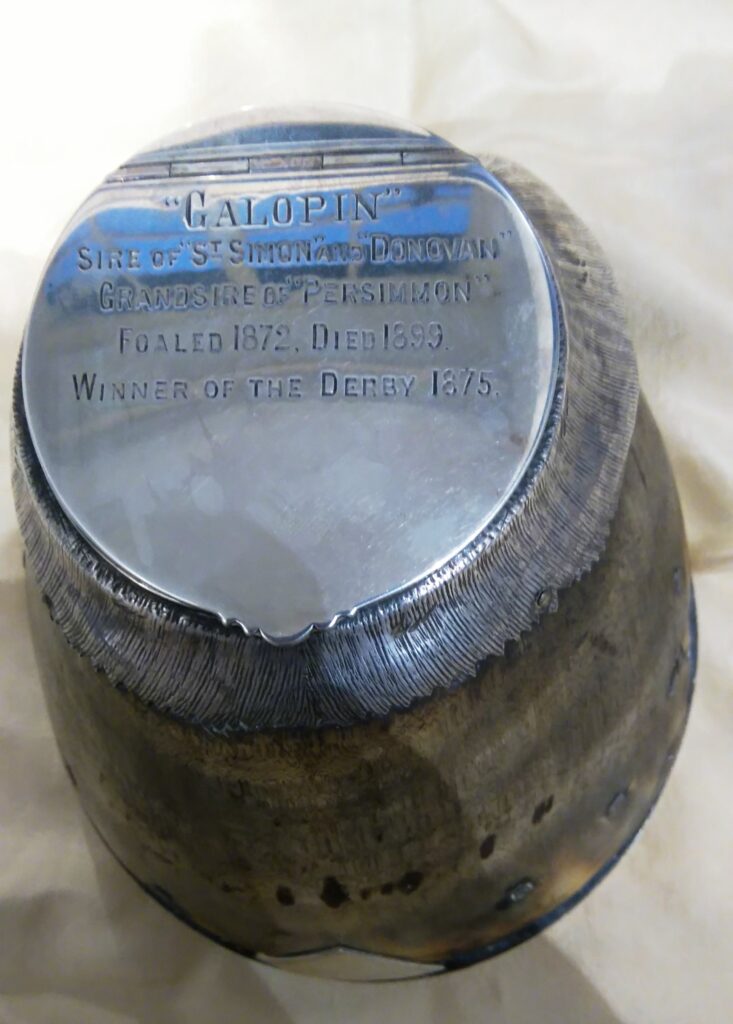
‘I bought at auction a hoof of Galopin – it caused consternation in the family’

Three years ago to mark 300 years of champion sires in Britain and Ireland, Michael Church, the racing author and historian,  published a signed and illustrated limited edition lineage chart, showing the male descent of the 125 champion sires to the founding fathers.

Racing Post caught up with their former employee – he was hired as the newspaper’s accountant when launched in 1986 – for a quickfire Q&A.


Above an extract from Michael Church’s lineage chart, showing the 300 years of Champion Sires 1722-2021

 Tell us about the lineage chart – when did you come up with the idea and how long did it take?

As part of the original Racing Post team, my chart was first published in 1987, with a slim volume giving the sire’s four-generation pedigrees. This autumn I became aware that if I updated the chart it would cover 300 years. So I set about redesigning it, adding 14 photographs with a brief history of each to accompany it.

In compiling it, what points of interest stood out to you?

When putting the champion sires in a different colour I immediately saw innumerable chains of champion sires, indicating their prepotency. For example, Cyllene (1909) to Mill Reef (1978), eight consecutive generations, then Cyllene to Pitcairn (1980), also eight generations. More recently we have Northern Dancer (1970) to Frankel (2021), four generations.

Do you see any problems of diversity in thoroughbred breeding in the future?

Not really. At present, the Northern Dancer lines are being tempered by Dubawi, who goes back to Native Dancer. Importantly, the stayers’ programme will in time strengthen the breed.

What was the spark that ignited your interest in racing and bloodstock?

Aged nine, when returning from a war-time evacuation in Llandrindod Wells to my home in Woking, the Sunday before the 1945 Derby, I was plunged into a family reunion where the sole topic of conversation was the forthcoming Epsom Classic. And from that day, which I now think of as my annunciation, I took to racing and betting like a duck to water.

While Racing Post bloodstock readers of a certain vintage may be familiar with your work, some might not, so can you outline your other breeding and pedigree publications?

Three Centuries of Leading Sires; The Classic Pedigree; Dams of Classic Winners; Eclipse – The Horse, The Race, The Awards; Champion Sires; Classic Pedigrees; together with various editions of The Derby Chart, three definitive histories of the Derby and the only history of the Oaks.

You are arguably better known for racing works, especially on the Epsom Classics – would you agree or disagree with anyone who calls for the distance of the Derby to be reduced?

I can understand the call for the Derby to be run over ten furlongs, but while the King George and the Prix de l’Arc de Triomphe are also run over a mile and a half, there seems little point and since many of the great studs stand stallions to win these races, it could undermine the future range of the thoroughbred.

  Past or present, do you have any favourite sires or lines?

While at the Racing Post I bought at auction a hoof of Galopin (the 1875 Derby winner, sire of St Simon and a descendant of Hambletonian), encased in silver as an inkwell. This caused consternation in the family as the money came out of the holiday fund!

__________________________________________________________________________________________________________

To see more on Michael’s books & charts click on Michael’s Books for Sale. 


The Thoroughbred’s Founding Fathers – A brief summary

Posted on:

The Founding Fathers of all Thoroughbreds racing today.

           A brief guide

(set to view on Mobiles)

 DARLEY ARABIAN. b.c. 1700.

Champion Sire 1722.  15 hands, bought by Thomas Darley, a Merchant Agent in Aleppo, Syria. Stood near York.

Sire of Flying Childers b,c 1714, the first truly great racehorse, and his older brother Bartlet’s Childers b.c. 1716, ex Betty Leeds and both Champion Sires.


BYERLEY TURK  br.c 1684.

Thought to be an Arabian taken from the Turkish Army at Buda in 1687.

Ridden by Captain Robert Byerley  in the Battle of the Boyne 1690 and later stood near York 1697. His most notable offspring was Jigg  (-. c. c 1701) ex daughter of Spanker, the sire of Partner (ch. 1718), won 4 races and four-times Champion Sire between 1737-1743).


ALCOCK ARABIAN  gr.c. 1704.

Champion Sire 1728.

Purchased in 1722 by the 2nd Duke of Ancaster.

Except for a tiny minority every grey thoroughbred we see today inherits their greyness, generation by generation from the Alcock Arabian.

His most notable offspring was Crab gr.c. 1722, Champion Sire in 1748, 1749, 1750.


GODOLPHIN ARABIAN  b.c. 1724.  Champion Sire 1738, 1745 and 1747.

Foaled in Yemen. 14.3 hands. One of four horses presented to the King of France by the Bey of Tunis.

Fifty years from his death in 1753, every one of the first 76 British Classic winners had at least one strain of him in their pedigree.

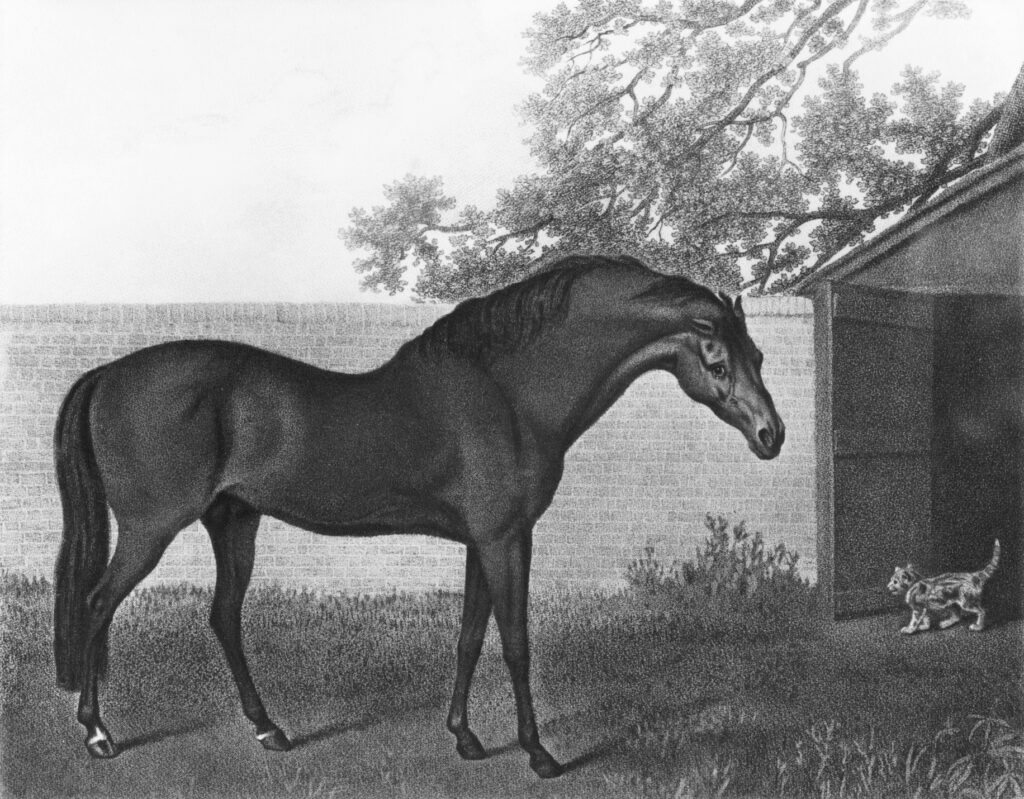
Godolphin Arabian (b.c. 1724)


For more racing history see Michael’s Books for Sale. 

To see Michael’s TV interviews go to the foot of About Michael
Priceless Border – The World’s Fastest Greyhound

Posted on:

The World’s Fastest Greyhound


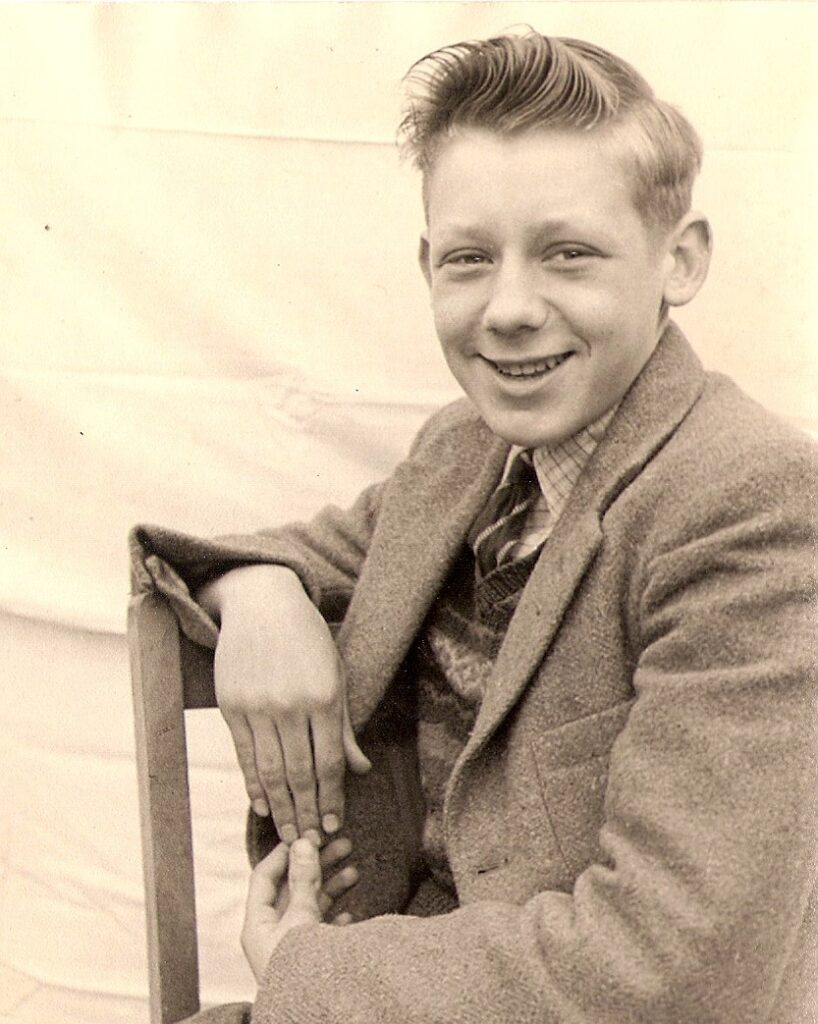
Little did I know as I queued in front of the new Woolworth’s weighing machine in the summer of 1949, that I would remember the next minute for the rest of my life?

The eager queue of school children waiting to weigh themselves en route to Saturday morning pictures, were not there to monitor their progress against under-nourishment, nor to measure obesity, but simply in order to obtain a weight-card in the highly collectable series, ‘Speed’.

Among the cards I had seen at school were ‘The Flying Scotsman’, the racing driver Malcolm Campbell, and the Olympic athlete Fanny Blankers-Koen.

To this 13-year-old they looked exciting, up-to-date and a change from the previous cigarette cards.


I put my penny in the slot and waited. My weight on the card – 8st 6lb, was of little interest, but the picture was – a brindled greyhound in a red jacket at full stretch.

It read, ‘Priceless Border – Greyhound Derby Winner 1948 – approx 37.3 mph.’

I had another penny left, but with the kids behind me shouting ‘hurry up Churchy, jump off’, I complied – only to jump smartly back on to weigh again. ‘Hallelujah! Another Priceless Border! What are the odds of that?’ I said to the next in line?


Priceless Border was well known by my school mates, some having backed him. And I could remember, reading in the Greyhound Express, about him winning a heat of the 1948 Greyhound Derby in 28.64 sec – a world record for 525 yards – before he went on to win the 1948 Final.

On a day dream level, I learned he was owned by a 10-year-old boy, Desmond O’Kane, his father having bought the dog for £110 as a present for him.

From that moment on, I saved a weekly amount towards my first greyhound.


The strange thing was that no-one else at school, no matter how many times they weighed themselves, ever got a Priceless Border. And it got to the point that a few doubting Thomases’s, including Bobby Reigate, who only needed that card for the set, continually heckled me into bringing one of the ‘Priceless’cards to school.


During the next day’s dinner break, I enjoyed the notoriety and the bargaining power of being the sole owner of these rare cards. The gathering crowd of enthusiasts inevitably broke up into scuffles, attracting the attention of the duty dinner teacher Ma Frost.

Fearing the card could be confiscated; I quickly switched it for the less valuable cigarette card of Don Bradman and, under duress handed it over.

Later that day, I stoutly refused all overtures from Reigate for the precious card, until he hinted darkly that he would, in future, make me an offer I couldn’t refuse.


Reigate continued to harras me until two months later, when there was a knock on our front door. It was Bobby Reigate and his father.

My Dad, unaware of the significance, invited them in and Mum made them tea. It ensued that Mr Reigate was taking Bobby to see Chelsea at Stamford Bridge and asked if I would like to share Billy’s birthday treat?

‘We could stay after the match for the greyhound racing’, he added.


I had to hand it to Bobby; this was an offer I couldn’t refuse. But, wishing to look cool, I sat very still and pinched my leg, until eventually, politely thanking Mr Reigate. Strangely, nothing was said about the Priceless Border card, but with schoolboy honour I knew my duty as one obsessive to another.

Going into the front room I took one of Mum’s ‘get well soon’ cards, wrote Happy Birthday Bobby and dropped in the ‘Priceless.’


More than 60 years later, and by now my prized weight-card long gone, a strange coincidence took place. One evening, on entering ‘greyhound’ into eBay, up popped an original Priceless Border weight-card. Joyfully, I bought it, but that’s not all, for when the card duly arrived I turned it over to see the date – July 49 and, the weight 8st. 6 lb – what are the odds of that?


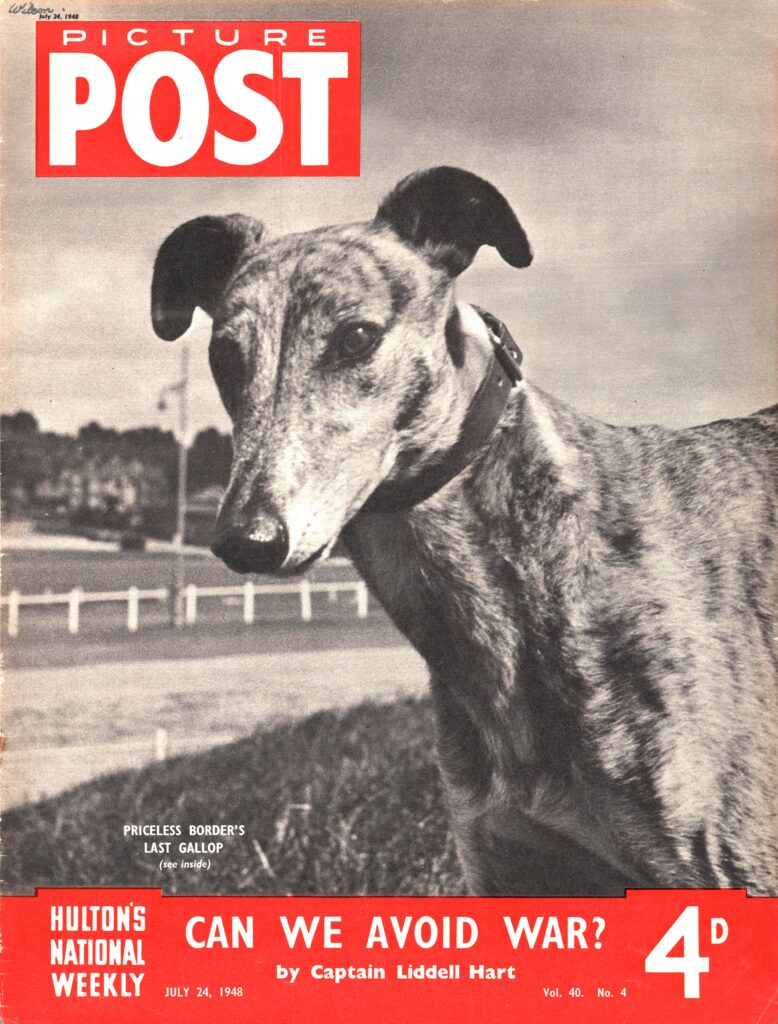
To back-up my story of the popularity of this greyhound see below the cover of Picture Post, the top selling magazine at the time.


For more racing history see Michael’s Books for Sale

Highflyer, the unbeatable racehorse and Champion Sire

Posted on:

HIGHFLYER   (b.c. 1774)

CHAMPION SIRE (13 times): 1785–1796 and 1798.

BRED BY Sir Charles Bunbury

WON 12 races incl. Grosvenor Stakes, Newmarket, Great Subscription Race, York, (never beaten).

Highflyer was an unbeatable racehorse who became a great stallion.

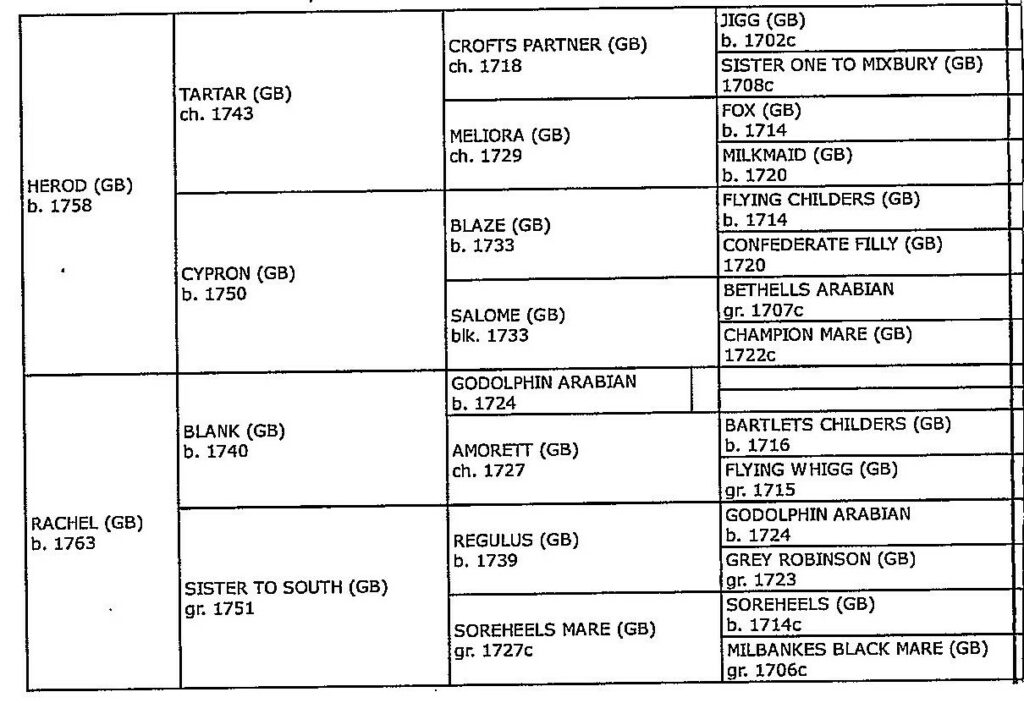
Bred by Sir Charles Bunbury, he was a pure-breeding bay, by Herod out of Rachel by the three times Champion Sire, Blank.

Initially, he was sold to the 2nd Viscount Bolingbroke, who named him after the highflyer walnut trees that grew in the paddock at Great Barton, where he was foaled. However, Bolingbroke resold the colt for £800 to Richard Tattersall the famous auctioneer.

Never beaten and on no occasion paying forfeit, Highflyer raced for three years, winning 12 races, including the Grosvenor Stakes at Newmarket, when four,  over 4m 1f 138 y, and the Great Subscription race at York, when five, over 4 miles.

At Tattersalls’ stud near Ely, Cambridgeshire, Highflyer sired eight Classic winners long before the advent of the Guineas Classics at Newmarket. These included three Derby winners: Noble in 1786; Sir Peter Teazle in 1787 – who later succeeded him as the ten times Champion Sire – and Skyscraper in 1789. He also sired the dams of 11 Classic winners.

The Champion Sire 13 times between 1785 and 1798, Highflyer made a major contribution to the development of the Thoroughbred. He died on 18 October 1793, at his owners’ residence, which had been renamed Highflyer Hall in his honour.


NOTABLE PROGENY:

DELPINI gr.c. 1781 ex COUNTESS by BLANK. Won 9 races. Sire of 3 Classic winners incl. SYMMETRY gr.c. 1795, won St Leger Stakes

OMPHALE b.f. 1781 ex CALLIOPE by SLOUCH. Won St Leger Stakes.

ROCKINGHAM b.c. 1781 ex PURITY by MATCHEM. Won 32 races incl. Jockey Club Plate and 5 King’s Plates. Sire of BELLINA ch.f. 1796, won Oaks Stakes.

COWSLIP b.f. 1782 ex daughter (1771) of SYPHON. Won St Leger Stakes.

NOBLE b.c. 1783 ex BRIM by SQUIRREL. Won 2 races incl. Derby Stakes.

SIR PETER TEAZLE br.c. 1784 ex PAPILLON by SNAP

Won 13 races incl. Derby Stakes, Jockey Club Stakes, Claret Stakes. Champion Sire 10 times between 1799 and 1809, he sired 10 Classic winners incl. 4 Derby winners: SIR HARRY (1798), ARCHDUKE (1799), DITTO (1803) and PARIS (1806).

SPADILLE b.c. 1784 ex FLORA by SQUIRREL Won St Leger Stakes.

HIGHFLYER MARE b.f. 1785 ex daughter (1770) of ENGINEER. Dam of SPREAD EAGLE b.c. 1792 by VOLUNTEER, won Derby Stakes; DIDELOT b.c. 1793 by TRUMPATOR, won Derby Stakes.

YOUNG FLORA b.f. 1785 ex FLORA by SQUIRREL. Won St Leger Stakes.

SKYSCRAPER b.c. 1786 ex EVERLASTING by ECLIPSE.

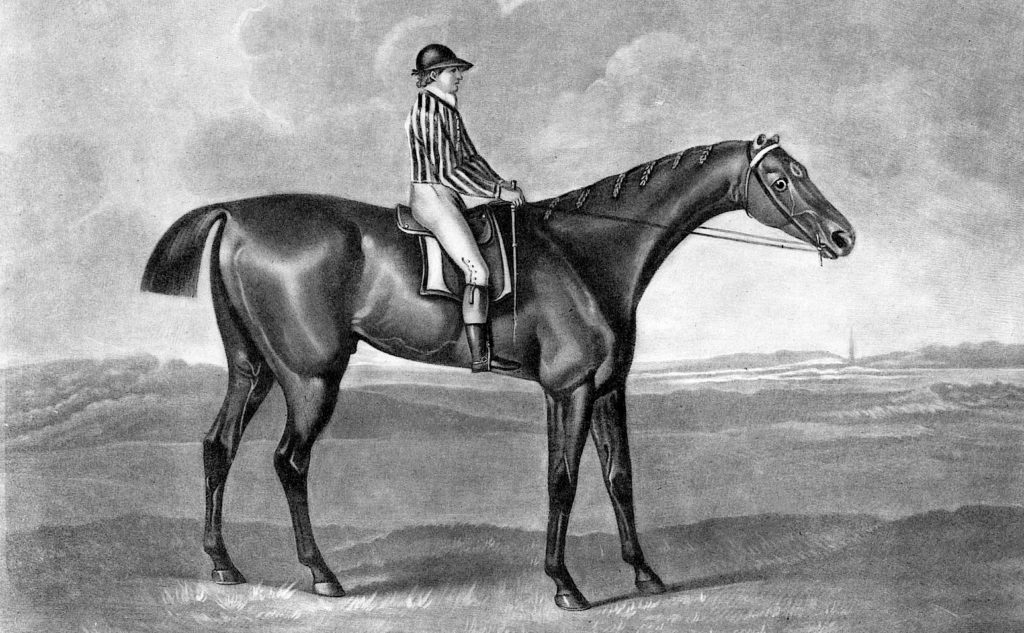
Skyscraper with the then fashionable clipped ears. Sam Chifney Snr, aboard.

Won 15 races incl. Princes Stakes, Newmarket, Derby Stakes, Claret Stakes (walk-over) and 3 King’s Plates.

HUNCAMUNCA br.f. 1787 ex CYPHER by SQUIRREL. Dam of CHAMPION b.c. 1797 by POT-8-O’s won Derby Stakes, St Leger Stakes.

PRUNELLA b.f. 1788 ex PROMISE by SNAP. Dam of PELISSE br.f. 1801 by WHISKEY, won Oaks Stakes; POPE b.c. 1806 by WAXY, won Derby Stakes.

ST GEORGE b.c. 1789 ex daughter (1775) of ECLIPSE. Won 14 races incl. King’s Plate, York, Jockey Club Plate. Sire of PAN ch.c. 1805, won Derby Stakes.

VOLANTE b.f. 1789 ex FANNY by ECLIPSE. Won Oaks Stakes.

DIAMOND br.c. 1792 ex daughter (1774) of MATCHEM. Won 21 races incl. Jockey Club Stakes, Jockey Club Cup, Oxford Cup.

____________________________________________________

For more racing history see Michael’s Books for Sale. 

To see Michael’s TV interviews go to the foot of About Michael